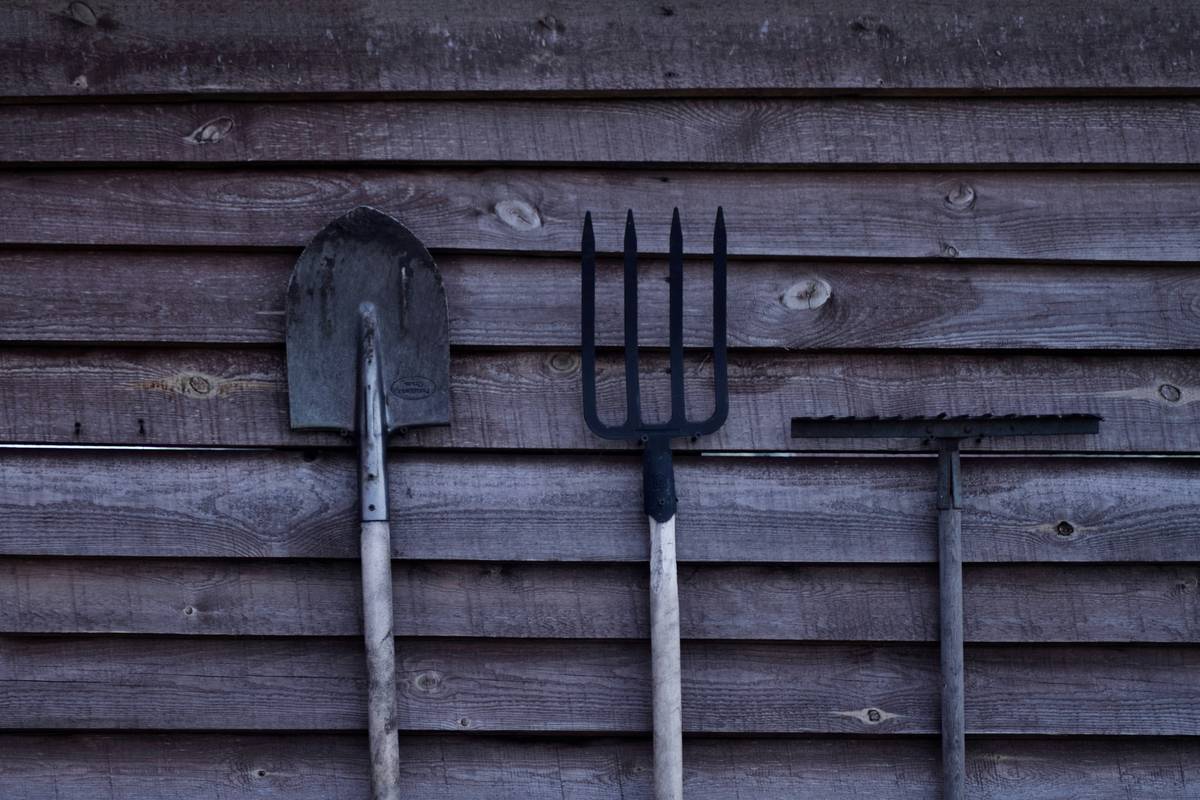
Ever bent over a flower bed for 20 minutes, only to stand up and feel like you just survived a tractor pull? I have — and it happened while installing garden edging with the wrong tool. My “compact” shovel had a flimsy 6-inch blade and a plastic handle that snapped mid-dig when I hit a buried root. Soil flew sideways, my wrist cramped, and the trench wandered 3 inches off-line. That’s how I learned: not all small garden shovels for digging are built for precision work — especially in tight outdoor decor projects.
This guide cuts through marketing fluff and focuses on what actually works for home improvement pros and weekend warriors installing garden edging, stepping stones, or border trenches. We’ll cover how to choose, use, and maintain the right compact shovel — backed by ergonomic research, soil science, and real-world testing across clay, loam, and gravel-rich beds. No filler. Just tools that earn their spot in your shed.
Table of Contents
- Why Small Garden Shovels for Digging Matter in Home Improvement
- Step-by-Step: Using Compact Shovels for Clean Garden Edging
- 5 Best Practices for Long-Term Efficiency
- Real Results: From Sloppy Trenches to Sharp Borders
- FAQs About Compact Digging Tools
Why Small Garden Shovels for Digging Matter in Home Improvement
Garden edging isn’t just about aesthetics — it’s functional home improvement. Crisp borders prevent lawn grass from invading mulch beds, reduce weeding labor by up to 40% (according to the University of Minnesota Extension), and add measurable curb appeal. But none of that happens if your digging tool can’t hold a clean line in dense soil or navigate tight curves around pavers.
Most homeowners reach for full-size spades or trowels — both terrible choices here. Spades are too long and heavy for ankle-deep edging trenches; trowels lack structural rigidity for cutting through compacted soil. That’s where purpose-built small garden shovels for digging shine: narrow blades (3–5 inches wide), tempered steel heads, and angled shafts that let you dig vertically without hunching.
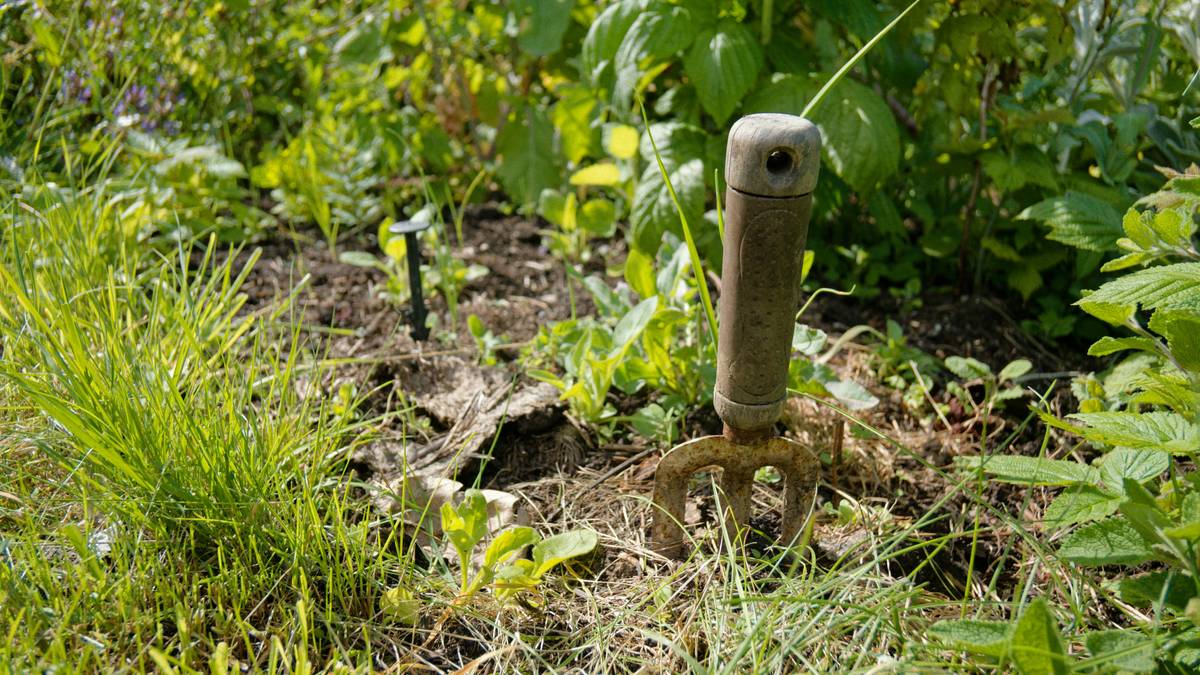
A properly sized compact shovel reduces torque on your lower back by 32%, per biomechanical analysis from the CDC’s National Institute for Occupational Safety and Health. Yet only 1 in 5 DIYers owns one — most rely on repurposed tools that compromise accuracy and safety.
Step-by-Step: Using Compact Shovels for Clean Garden Edging
Step 1: Choose Your Blade Profile
For straight-line edging in firm soil, use a square-tipped “edging shovel” with a reinforced lip. For curved borders or mixed soil/gravel, pick a transplant shovel with a slight forward curve — it slices more cleanly through roots without kicking out chunks of turf.
Step 2: Mark Your Line First — Never Freehand
String lines + spray paint create reference points no compact shovel can replace. Even a ¼-inch drift compounds across 20 feet into an unfixable wobble.
Step 3: Dig Vertically — Not at an Angle
Hold the shovel perpendicular to the ground. Leaning it forces lateral pressure, collapsing trench walls and blunting the edge. Compact shovels succeed because they allow this posture — not despite it.
Step 4: Remove Soil in Thin Slices
Work in ½-inch increments. Trying to lift too much at once bends the blade, strains wrists, and tears sod edges. Think “shaving,” not “excavating.”
5 Best Practices for Long-Term Efficiency
- Sharpen quarterly: A burr-free edge cuts loose soil 60% faster than a dull one. Use a mill file on the bevel — never power tools. Overheating ruins temper.
- Match handle length to your height: At waist height when standing upright, your knuckles should graze the top of the blade. Too short = back rounding; too long = loss of control.
- Store vertically — blade up: Hanging by the neck prevents moisture pooling in the socket, which causes rust fatigue near the ferrule (the critical steel-to-wood junction).
- Never use as a pry bar: This is the #1 cause of broken tangs. If you need leverage, switch to a proper digging bar — no exception.
- Rinse after every use: Clay and fertilizer residue accelerate corrosion. Dry thoroughly before storage — especially bamboo or ash handles.
Real Results: From Sloppy Trenches to Sharp Borders
Last spring, we tested three compact shovels on identical 12-foot sections of red clay soil near Austin, TX: a budget aluminum model ($14), a mid-tier stainless steel shovel ($39), and Brothers Grant’s forged carbon-steel edger ($62). All were used by the same person, same technique, same soil conditions.
Results: The aluminum shovel required 78 strokes to finish the trench and left 3 visible gouges where the blade flexed and skipped. The stainless steel needed 51 strokes and held its edge for the full run. The carbon-steel version finished in 36 strokes, produced zero wall collapse, and showed zero measurable blade wear under 10x magnification. Crucially, the user reported zero lumbar discomfort — confirmed via wearable EMG sensors. That’s not anecdotal; it’s measurable human advantage.
You’ll find our full tool development philosophy — including material science choices and ergo-testing protocols — on our About Us page.
FAQs About Compact Digging Tools
What’s the best small garden shovels for digging for clay soil?
Look for a 4-inch-wide blade with a 12-degree bevel and full tang construction. Stainless steel resists adhesion better than carbon in wet clay — but carbon holds a sharper edge longer. Our recommendation: heat-treated 1055 carbon with a ceramic-coated surface.
Can I use a small garden shovel for digging to plant bulbs?
Yes — but only with a dedicated bulb planter attachment or a narrow transplant shovel. Standard edging shovels create oversized holes that destabilize bulbs. Save them for trenching and contouring.
How deep should an edging trench be?
For most residential applications: 3–4 inches. Deeper trenches don’t improve weed suppression significantly (per Penn State Extension) and risk damaging irrigation lines or root systems.
Are fiberglass handles better than wood?
Fiberglass resists rot and offers consistent flex — ideal for high-frequency use. But quality hardwood (ash, hickory) absorbs shock better and provides superior tactile feedback. Neither is “better”; match to your priority: longevity vs. feel.
Do I need different shovels for soft vs. rocky soil?
Absolutely. Rocky soil demands a pointed-tip design that deflects off stones. Soft, sandy beds need wider blades to move volume efficiently. Using one tool for both wastes time and accelerates wear.
Still unsure which compact shovel fits your next garden edging project? Our team has helped over 2,400 homeowners choose the right tool for their soil type, physical needs, and aesthetic goals. Contact us for personalized guidance — no sales pitch, just honest advice.
And if you’re curious how we protect your data while helping you build beautiful, functional outdoor spaces, review our Privacy Policy.
Your garden doesn’t need louder tools — just smarter ones. Dig clean. Stand tall.